
The Kasoura Dinner and Wu
The Man in the High CastleAn American antique dealer is invited to a Japanese home, where his social failure and the strange power of a new piece of jewelry lead him to a new understanding of art.
increasing Bearing strength in each event
 decreasing
Bearing strength in each eventdecreasingInvitation Accepted
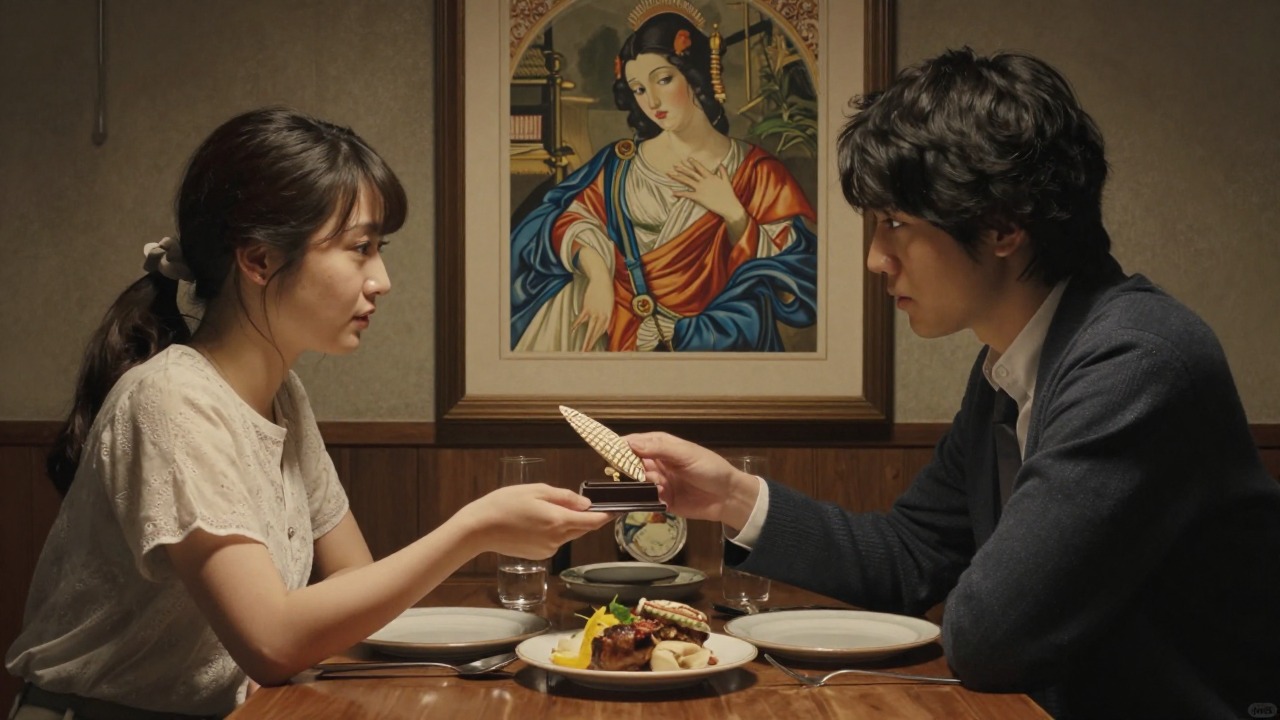
Invitation Accepted
Context
The young Japanese couple, Paul and Betty Kasoura, invite Robert Childan to dinner. Childan is both thrilled and terrified, wanting to be accepted in their world.
Turning Point
He brings a small scrimshaw as a guest gift and feels a moment of peace. Then he ruins the mood by defending the Reich in the political talk.
Significance
The dinner becomes a psychological battlefield where Childan's deep insecurities are exposed.
The Book and the Record
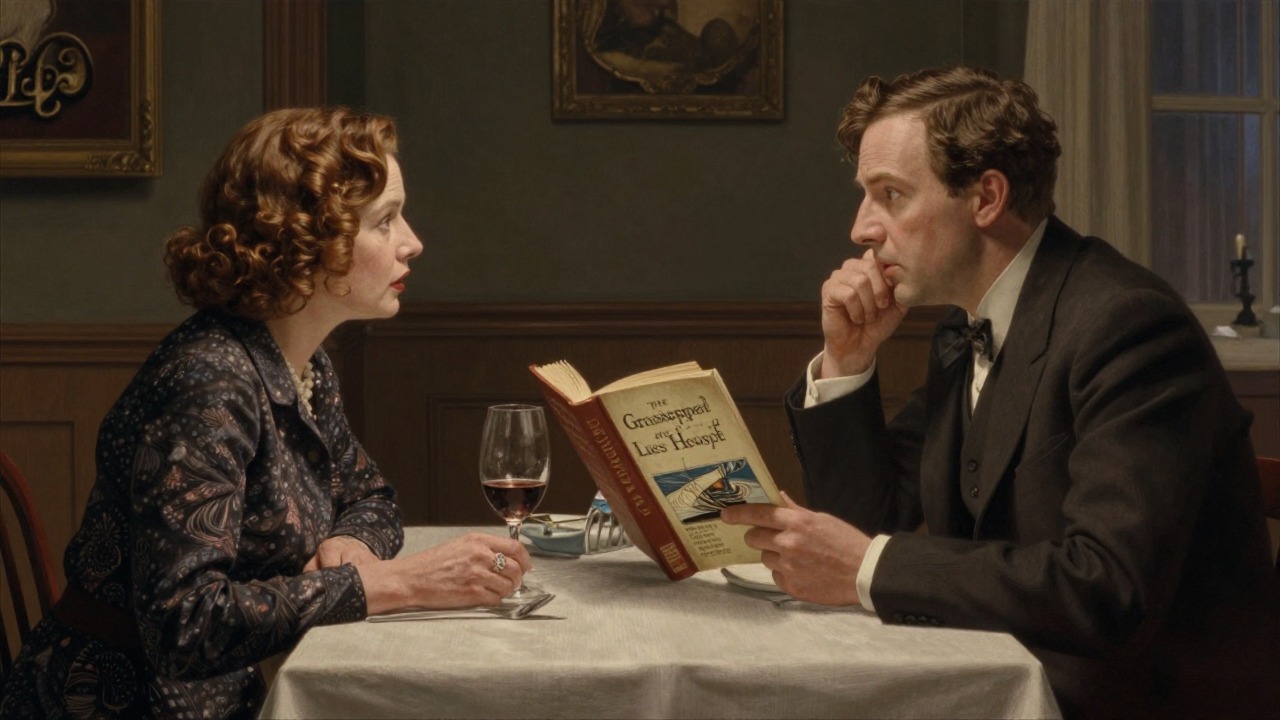
The Book and the Record
Context
Childan tries to make conversation by noticing The Grasshopper Lies Heavy. Paul confesses his old love for science fiction and jazz, while Betty steers them to dinner.
Turning Point
Childan, embarrassed, takes refuge in conventional opinions about Europe and music. His taste seems smaller and more defensive than theirs.
Significance
The scene contrasts the polished curiosity of the Japanese elite with the closed mind of the yank. The furniture and food are part of the same cultural conflict.
Cruel Dismissal
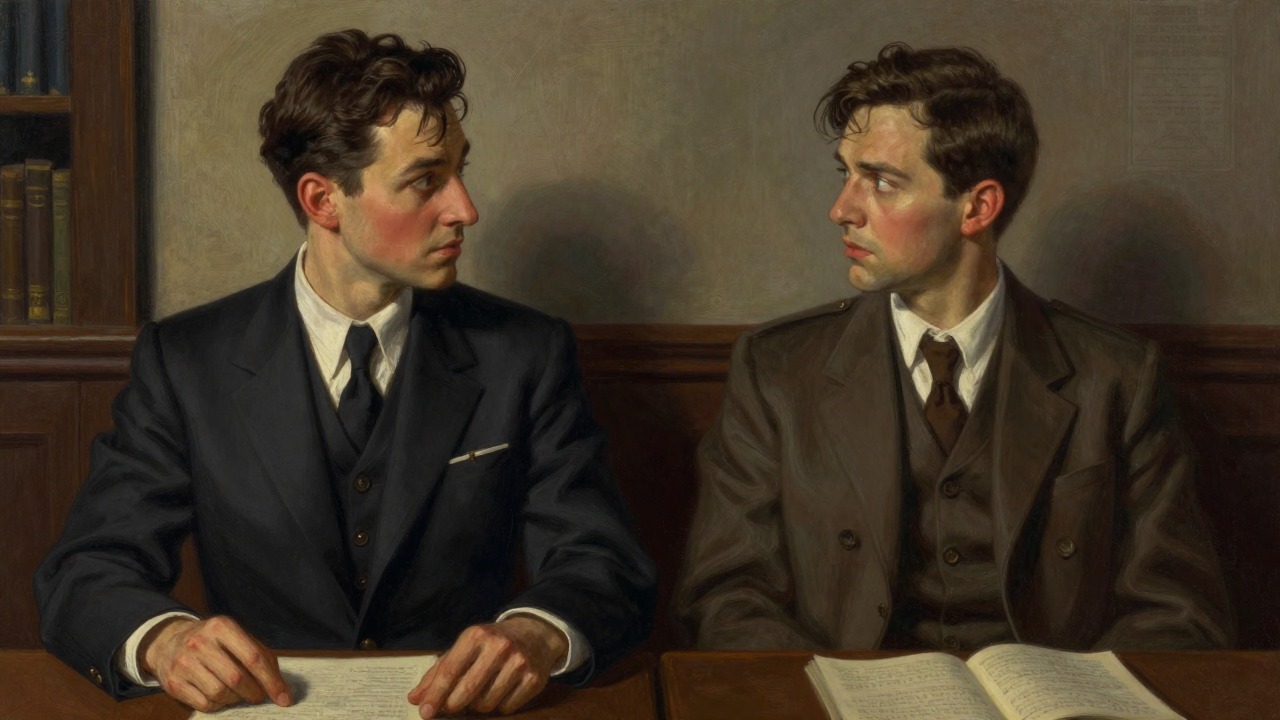
Cruel Dismissal
Context
When Paul asks about Miss Lonelyhearts, Childan admits he has never read it. He then blunders into declaring that an Allied victory would have meant Jewish rule.
Turning Point
The Japanese couple withdraw into silence. Childan feels that the gap between them is too vast to be crossed.
Significance
This is the lowest point of Childan's social pilgrimage. He sees the Japanese as alien, yet he cannot stop seeking their approval.
Gift of the Pin
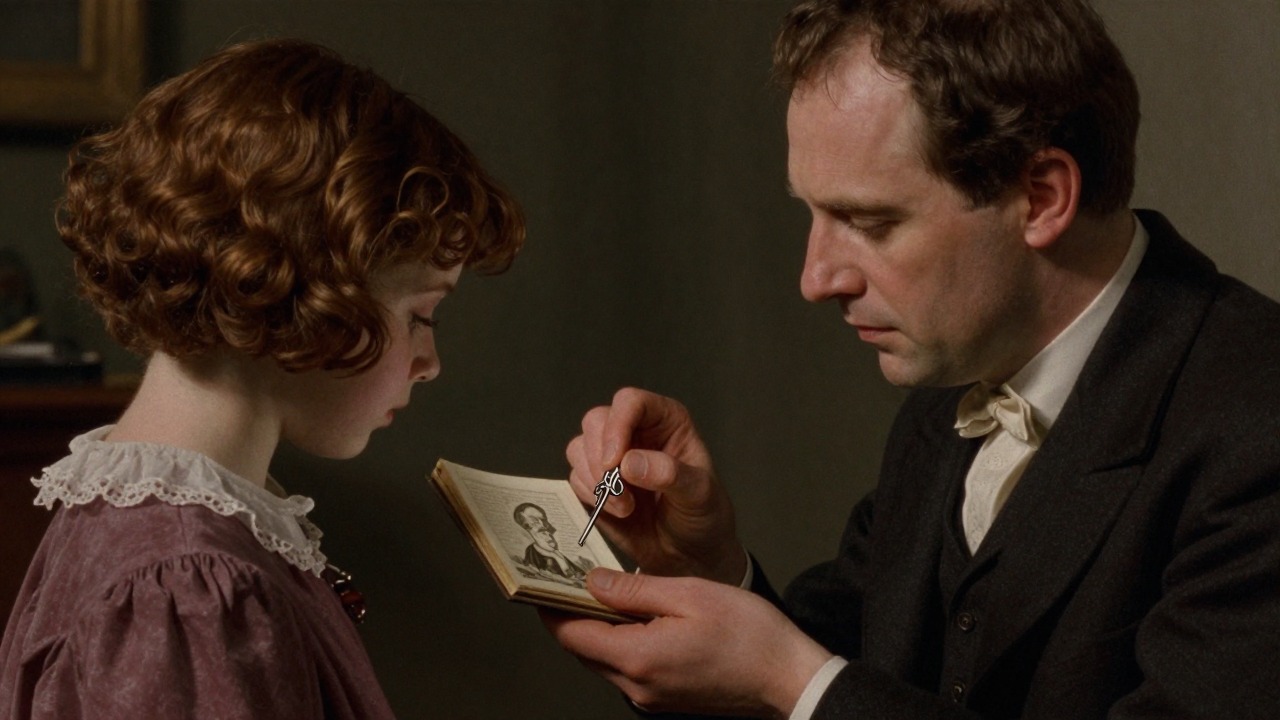
Gift of the Pin
Context
Childan brings Betty a piece of Edfrank jewelry, hoping to win favor. Paul intercepts it, never showing it to his wife, and studies it as a strange object.
Turning Point
Paul declares that the little metal pin has wu, a mysterious quality beyond art and religion. He gives it back to Childan, telling him the task of presenting it is now his.
Significance
The pin becomes a turning point in the novel's thinking about objects. The useless contemporary junk is suddenly the most authentic thing in the world.
Childan's Rebellion
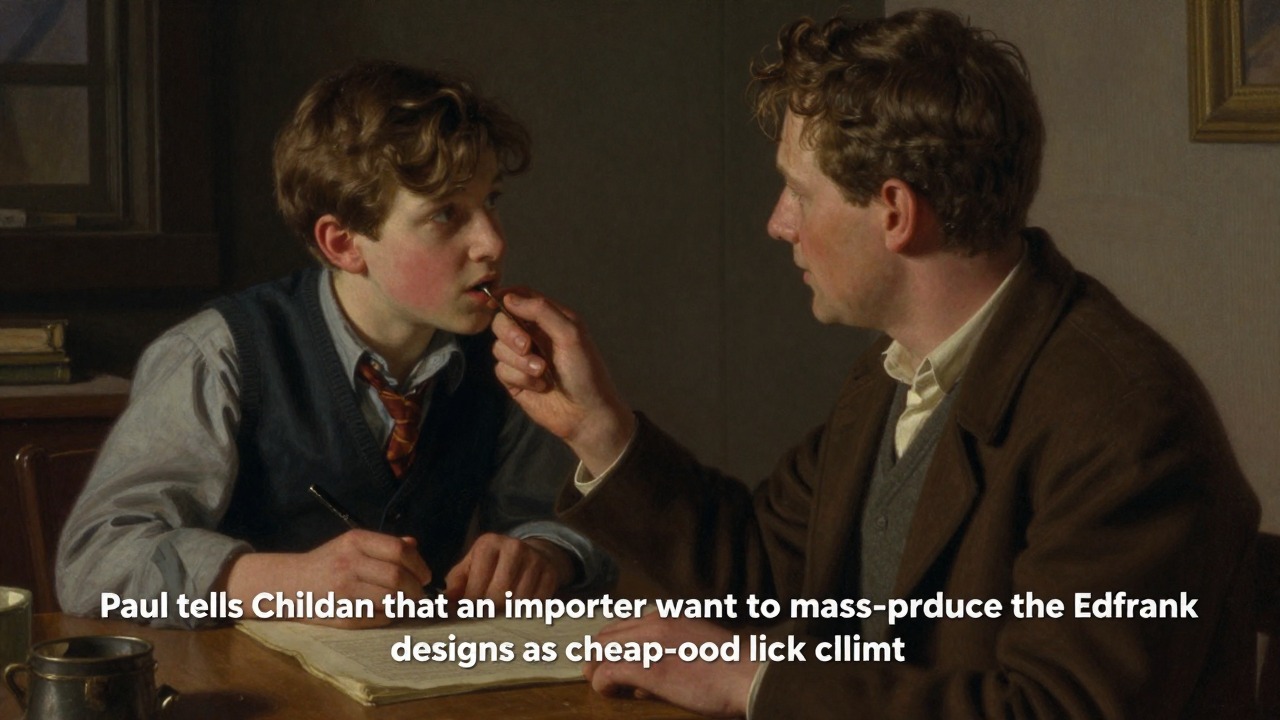
Childan's Rebellion
Context
Paul tells Childan that an importer wants to mass-produce the Edfrank designs as cheap good-luck charms. He expects Childan to accept the business opportunity.
Turning Point
Childan, suddenly proud, rejects the plan and says the piece was made by proud American artists. He asks for an apology, and Paul gives it.
Significance
For the first time, Childan stands up for the value of his own culture. The moment turns him from broken tradesman into a man with a mission.
after the young couple visited Childan's shop
during the same evening at the Kasoura apartment
during the meal at the Kasoura table
the next time Childan visits Paul's office
in Paul's office after the importer suggestion
